
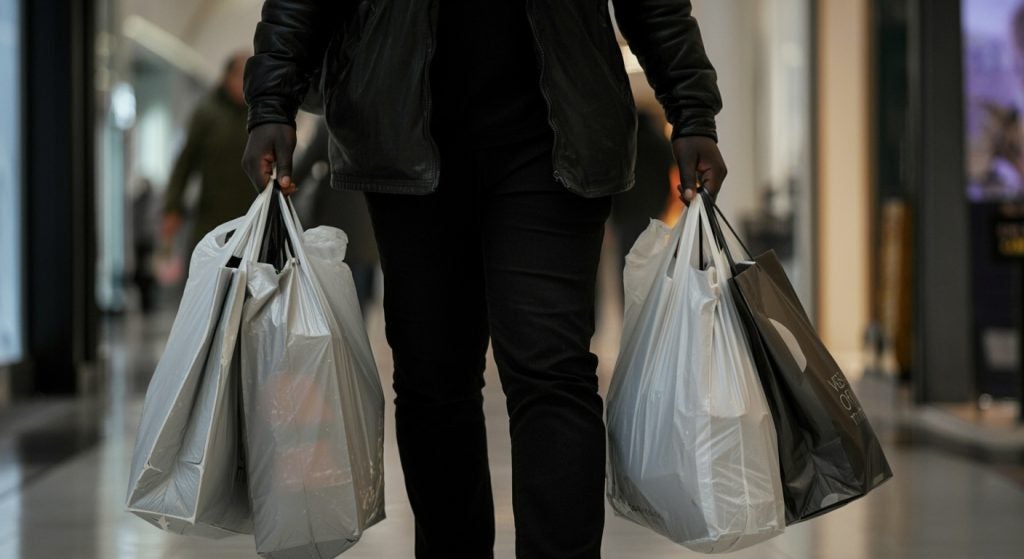
Singapore’s mandatory disposable carrier bag charge introduced in July 2023 has significantly reduced supermarket plastic bag use, while recent discussions focus on how collected funds are being allocated.
The initiative, overseen by the National Environment Agency (NEA), aims to cut plastic waste and encourage sustainable consumption.
Decline in bag use at major supermarkets
Under the policy, supermarket operators with annual turnover above S$100 million must charge at least 5¢ for every disposable carrier bag provided at physical store checkout counters. This applies regardless of material, covering about two-thirds of licensed supermarket outlets in Singapore.
Government data shows that since implementation, participating supermarkets reported a 70–80 % drop in the number of disposable carrier bags issued in the first year, indicating a notable decline in consumption.
This result aligns with similar bag charge schemes overseas, where price signals have reduced plastic bag use.
The charge does not apply to online purchases of groceries, although reusable packing remains an option for in-store collection and delivery packaging. Supermarkets are required to publish annual data on bag numbers issued and proceeds collected.
Use of proceeds under review
The policy was structured primarily as a behavioural tool to reduce disposable carrier bag use. Supermarket operators are “strongly encouraged” to channel collected proceeds to environmental or social causes. However, this is not a statutory requirement.
Environmental advocates and public commentary in early 2026 have raised concerns about how proceeds are spent. Some retailers reported using significant portions of funds on internal operations — such as energy-efficient refrigeration upgrades and trial projects — rather than external environmental programmes.
This has prompted questions about whether the original public expectations for proceeds align with actual corporate practices.
Supermarket groups argue that certain expenditures contribute indirectly to sustainability goals. Meanwhile, the requirement to disclose usage data aims to maintain transparency and allow public and regulatory review.
Policy context and environmental goals
The disposable carrier bag charge forms part of a broader set of waste-management measures in Singapore’s Zero Waste Masterplan and the Singapore Green Plan 2030, intended to reduce packaging waste and greenhouse gas emissions from disposables.
Public consultations prior to implementation showed support for a per-bag charge model as an effective deterrent against unnecessary bag use.
The NEA’s approach reflects global trends in plastic waste reduction policies, where modest levies on single-use plastics influence consumer behaviour more than outright bans.
Singapore continues to monitor the charge’s effectiveness and may review aspects of the scheme based on environmental outcomes and stakeholder feedback.