

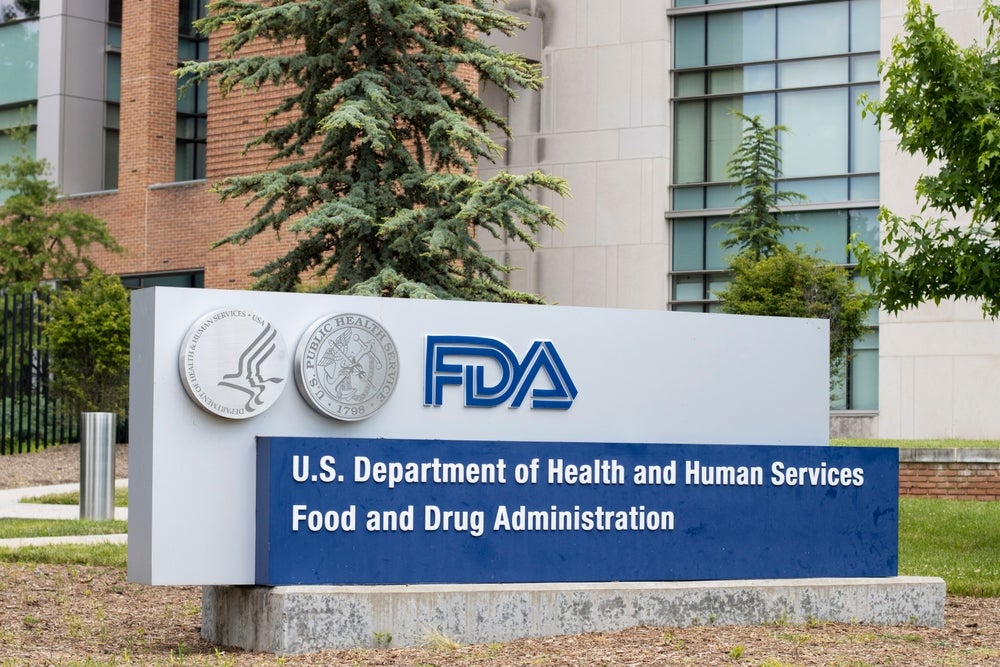
The US Food and Drug Administration (FDA) has updated how food and drink makers can use no artificial colours claims on product labels, as part of broader efforts to move away from synthetic food dyes.
The change allows companies greater flexibility in marketing products as free from artificial colours if they do not contain petroleum-based colour additives, even when naturally derived colourants are present.
This shift alters longstanding labelling practices and could affect compliance and legal risks for global food manufacturers.
What the new FDA guidance means for “no artificial colours” claims
Under the updated guidance, voluntary labels stating “no artificial colours” or similar phrases may be used on food and beverage packaging when a product does not contain traditional petroleum-based synthetic dyes.
Previously, such claims were generally only permitted when no added colourants of any kind were present.
The 5 February FDA letter to the industry explains that the agency will exercise enforcement discretion and will not pursue action under the Federal Food, Drug, and Cosmetic Act for products that meet these conditions.
The regulatory change builds on earlier initiatives by the FDA and the U.S. Department of Health and Human Services to phase out certain artificial food colours in favour of alternatives derived from natural sources.
Industry petitioners have also secured approvals for new colourants, including expanded uses for beetroot red and spirulina extract, which food companies can now include as naturally derived colour options.
Implications for international food labelling and compliance
The updated no artificial colours guidance does not alter the formal legal definition of “artificial colour” under U.S. law. Instead, it reflects the current enforcement stance of the FDA.
This means manufacturers should continue to ensure full regulatory approval for any colour additives used, whether synthetic or naturally derived. They also must consider that state law, private litigation and export market requirements may interpret claims differently.
Food companies operating internationally should note that regulatory frameworks outside the United States may have different criteria for what qualifies as “natural” or “artificial” on labels.
Regions such as the European Union and Canada often enforce stricter definitions or require specific disclosures for synthetic food dyes, which affects global product labelling strategies and supply chain planning.
Industry response and market trends on natural colour additives
The shift in FDA policy reflects broader market and consumer trends favouring natural food dyes and transparent ingredients.
Many major food manufacturers have already pledged to reduce or eliminate synthetic colours from product lines, aligning with consumer demand for cleaner labels.
At the same time, some advocacy groups warn that the new approach could blur consumer understanding of what constitutes “artificial” versus “natural” colourants, given that the term remains undefined in regulatory text.
The updated FDA guidance is likely to shape future product labelling and reformulation efforts.
Global food retailers and ingredient suppliers will be monitoring enforcement practices closely to ensure they align with evolving regulatory expectations and international food label standards.