
Packaging is becoming more than a protective layer around products. It is turning into a digital tool that helps brands reduce waste, improve efficiency and connect directly with customers.
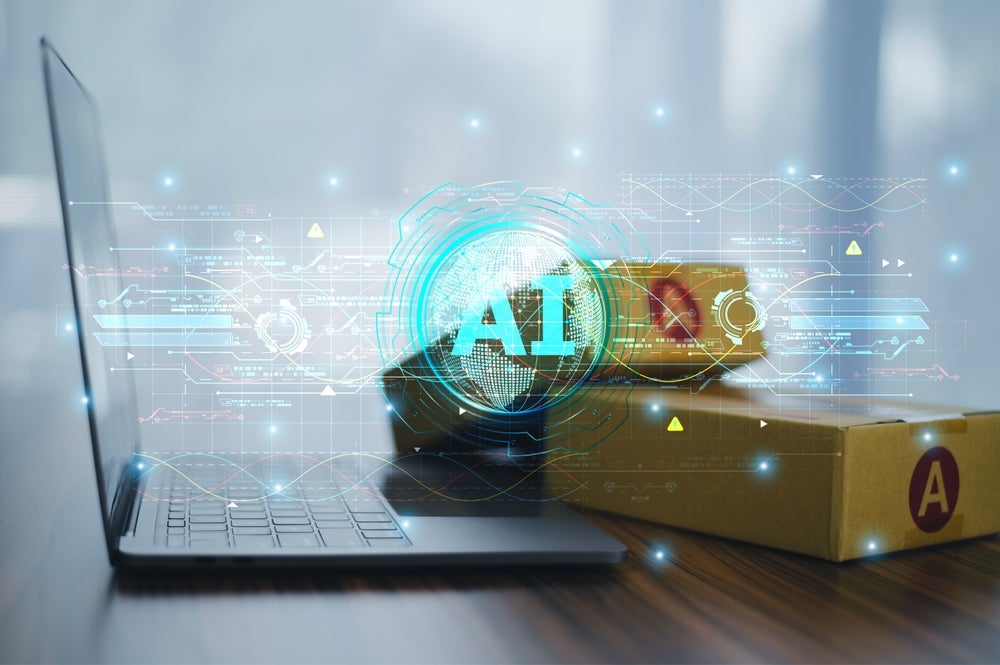
At the centre of this shift is artificial intelligence (AI), which is now being combined with digital printing, QR codes and NFC technology to reshape how packaging is designed, produced and used.
Across the packaging industry, companies are under pressure to cut costs, reduce environmental impact and improve transparency. AI is helping meet these demands by making packaging systems more responsive and data-driven, from factory planning to consumer engagement.
AI is improving how packaging is designed and produced
In traditional packaging production, design, pre-press work and print scheduling often involve multiple manual steps. This can lead to delays, errors and unnecessary waste.
AI is changing this process by automating key stages of production. Modern systems can now analyse packaging artwork, detect errors before printing and optimise layouts to reduce material use.
In print factories, AI tools can also schedule jobs more efficiently, helping machines run with fewer interruptions and less downtime.
Digital printing plays a central role in this shift. Unlike conventional printing, which requires large print runs to be cost-effective, digital printing allows shorter runs and faster changes.
When combined with AI, it enables brands to adjust packaging designs quickly, whether for regulatory updates, seasonal campaigns or regional variations.
Industry research from organisations such as Smithers highlights that demand for digital print packaging continues to grow steadily, driven by shorter product lifecycles and the need for more flexible supply chains.
AI strengthens this trend by reducing waste linked to overproduction and obsolete packaging stock.
Smart packaging is creating a digital link between products and people
One of the most visible changes in packaging is the rise of QR codes and NFC tags. These technologies turn packaging into a digital entry point, allowing customers to access product information instantly using a smartphone.
A simple QR code can now replace printed instruction leaflets, providing recycling guidance, ingredient details or usage tips online. This reduces the need for extra printed materials and makes information easier to update over time.
NFC technology goes further by allowing users to tap packaging to access content. This is increasingly used in premium goods, pharmaceuticals and electronics for authentication and brand protection.
It also helps reduce counterfeit products, which remain a major issue in global supply chains.
According to industry analysis from McKinsey and other consultancy research, connected packaging is becoming a key part of wider supply chain transparency efforts. It allows companies to track how products move, verify authenticity and gather data on how customers interact with packaging after purchase.
This digital layer also supports sustainability goals. Packaging can now include location-based recycling instructions or disposal guidance, helping consumers make better decisions and improving recycling rates.
Personalised packaging is becoming easier at scale
AI and digital printing are also making personalised packaging more practical for large-scale production. In the past, customised packaging was expensive and limited to small batches.
Now, variable data printing allows each package to be slightly different without slowing down production.
This means brands can create packaging tailored to different markets, seasons or even individual customers. QR codes and NFC tags extend this further by linking each product to personalised digital content, such as loyalty rewards, how-to videos or product recommendations.
This shift is also changing how brands collect data. Instead of relying heavily on third-party sources, companies can now gather first-party insights based on real interactions with their packaging.
This helps improve marketing decisions and product development over time.
For businesses, this creates a more direct relationship with customers. Packaging is no longer just a cost to manage, but a channel that can deliver ongoing value after purchase.
A quieter shift with long-term impact
The move towards AI-driven packaging is not always visible on store shelves, but it is changing how the entire system works behind the scenes. Production is becoming more efficient, waste is being reduced, and products are becoming more connected to digital services.
As AI tools continue to improve and digital printing becomes more widely adopted, smart packaging is likely to move from early adoption to standard practice.
For brands, the opportunity is no longer just about innovation, but about building packaging systems that are more efficient, more transparent and less wasteful by design.