

A box that stacks perfectly on a pallet can be impossible to open by hand. A pouch optimised for automated filling may spill its contents the moment a customer touches it.
Across industries, packaging has been designed primarily for machines, efficiency, and speed, often at the expense of the people who ultimately use it. This imbalance is becoming more visible as automation accelerates and consumer expectations rise.
In modern supply chains, packaging design is increasingly shaped by robotics, high-speed lines, and logistics systems. While this approach delivers scale and consistency, it also introduces hidden costs and risks when human needs are overlooked.
How automation shapes modern packaging design
Automation has transformed packaging operations. Machines demand precision, uniformity, and predictability, pushing packaging design towards rigid specifications. Dimensions must be exact.
Materials must behave consistently. Seals must form at speed. From an operational perspective, this makes sense.
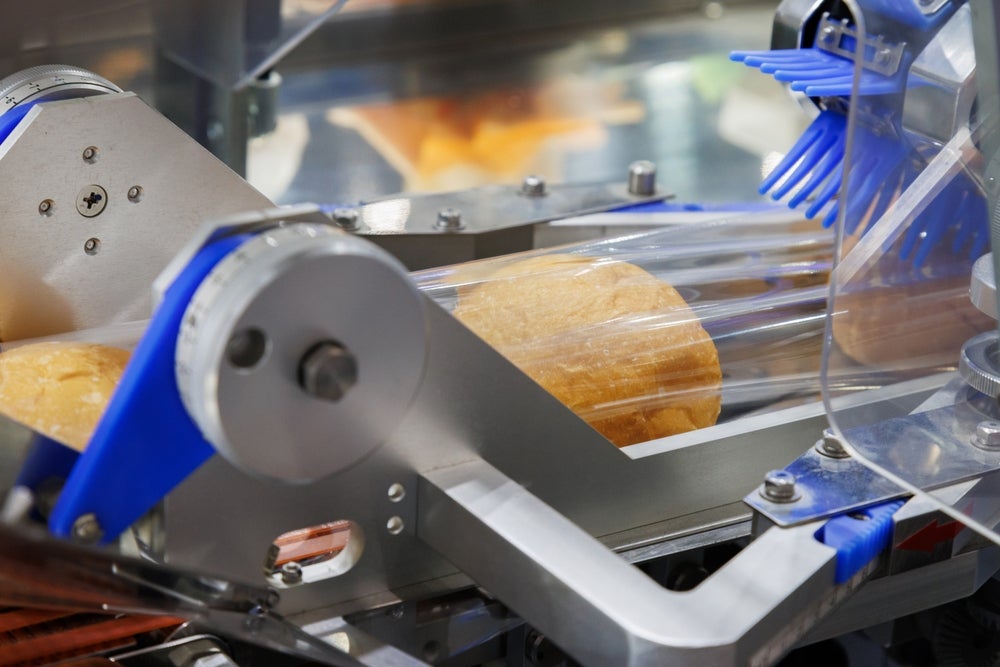
Packaging built for machines is easier to run at scale. Automated packaging lines reduce labour costs, increase throughput, and lower error rates. To support this, packaging formats are simplified, standardised, and engineered for mechanical handling rather than human interaction.
The consequences are often invisible upstream. Sharp edges, excessive force requirements, and awkward opening mechanisms rarely affect machinery, yet they matter greatly to warehouse staff, retailers, and end users. When packaging prioritises machine compatibility alone, usability becomes secondary.
This machine-first mindset also limits flexibility. Packaging optimised for a single production line may struggle when volumes change, suppliers shift, or markets expand. Human-centred adaptability is sacrificed for mechanical efficiency, increasing long-term rigidity in the supply chain.
As automation spreads into smaller facilities and emerging markets, the gap between machine needs and human experience continues to widen.
The hidden human cost of machine-first packaging
Packaging that works flawlessly on a line can fail in the real world. Warehouse workers may struggle with heavy, awkward packs. Retail staff may face increased breakage during unpacking. Consumers may resort to tools to open products, risking injury and frustration.
These issues carry measurable costs. Poor ergonomic packaging contributes to workplace injuries and higher absenteeism. Difficult-to-open packs increase product returns and negative reviews. Damaged goods erode margins and strain customer relationships.
Accessibility is another overlooked factor. Packaging designed without considering grip strength, dexterity, or visual clarity excludes large segments of the population. As populations age, this becomes a growing commercial and reputational risk.
Regulation is starting to reflect these concerns. Authorities increasingly consider user safety, clarity of information, and accessibility as part of broader consumer protection frameworks.
Packaging that disregards human interaction may face scrutiny beyond traditional safety and labelling rules.
There is also a brand dimension. Packaging is often the first physical touchpoint between a product and its user. When that interaction feels hostile or frustrating, it undermines trust, regardless of how efficient the supply chain behind it may be.
Designing packaging that serves both machines and people
The tension between automation and usability is not inevitable. Packaging can be designed to serve machines and people if human factors are considered early, not treated as an afterthought.
Human-centred packaging design starts with understanding real-world handling. Observing how packaging is lifted, opened, resealed, and disposed of reveals friction points that machines never encounter.
Small changes in tear placement, grip areas, or material stiffness can significantly improve usability without disrupting automation.
Cross-functional collaboration is critical. Packaging engineers, operations teams, designers, and compliance specialists must work together rather than in sequence. When usability is addressed at the concept stage, it rarely conflicts with machine requirements. Problems arise when it is addressed too late.
Testing beyond the production line matters. Drop tests and seal checks should be matched with user trials that reflect diverse abilities and environments. This approach reduces downstream issues that are far more expensive to fix once packaging is in market.
Standardisation can still play a role, but it should not be driven solely by machinery. Flexible standards that account for human interaction allow businesses to scale automation without alienating users.
Packaging built for machines has delivered efficiency and growth. Packaging built for people delivers loyalty, safety, and trust. In a mature, competitive market, businesses can no longer afford to choose one over the other.
The future of packaging design lies in balancing mechanical precision with human experience.