
The UK has published new guidance explaining which plastic packaging can be recycled and which materials should be avoided.
The document, issued by Waste and Resources Action Programme (WRAP), sets out clear rules on polymer choice and recyclability for businesses that make, sell or handle plastic packaging.
The guidance aims to remove confusion around the term “recyclable plastic packaging”. It defines recyclability based on whether an item can be collected, sorted and reprocessed at scale within existing UK recycling systems.
What counts as recyclable plastic in the UK
Under the new guidance, plastic packaging is classed as recyclable only if it can pass through the full recycling chain in practice. This means it must be:
- Collected by most local authorities
- Identified and sorted in recycling facilities
- Reprocessed into new products at commercial scale
In the current UK system, widely recyclable plastics include:
- PET (polyethylene terephthalate), especially clear bottles and trays
- HDPE (high-density polyethylene), such as milk bottles
- PP (polypropylene) used in many food tubs and containers
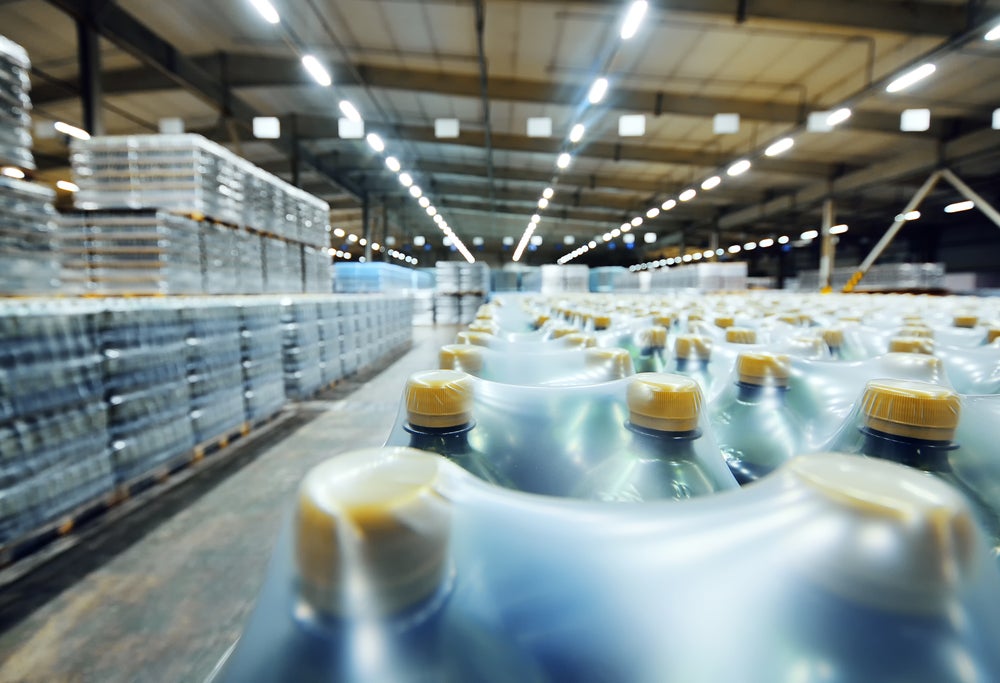
Some materials are not considered recyclable under the guidance. These include PVC, polystyrene, multi-layer plastic laminates and plastics with certain barrier coatings. Small components, such as very small caps, may also be lost during sorting.
The approach aligns with existing recyclability frameworks used by groups such as the UK Plastics Pact and the Ellen MacArthur Foundation, which focus on practical, system-wide recycling rather than theoretical recyclability.
Which plastic packaging materials are preferred
The guidance goes further by identifying “best in class” polymer choices. These are materials that are not only recyclable but also produce higher-quality recycled material.
For example:
- Natural or lightly coloured HDPE is preferred over dark or heavily pigmented plastics.
- Clear PET is easier to recycle than coloured PET.
- Labels, sleeves and caps should be made from compatible plastics where possible.
Design choices matter. Dark colours can make plastic harder for sorting machines to detect. Mixed materials and complex layers can reduce the quality of recycled output.
The document encourages businesses to simplify packaging designs and avoid unnecessary materials that could disrupt recycling.
Why the guidance matters for packaging and recycling
Plastic recycling is a major issue in the UK and globally. While many packages are labelled as recyclable, not all can be processed efficiently in real systems. The new polymer choice and recyclability guidance aims to close that gap.
For businesses, the rules provide clearer direction when designing packaging or reviewing supply chains. For waste managers, they help create more consistent material streams.
For policymakers, they support wider goals to increase recycled content in plastic packaging and reduce environmental impact.
WRAP has indicated that the guidance will be reviewed as recycling infrastructure develops.
For now, it sets a practical benchmark for what recyclable plastic packaging means in the UK — and which polymers are the safest choices for companies seeking compliance and long-term sustainability.