

Tetra Pak is developing a new pilot plant in Lund, Sweden, for its new aseptic paper‑based barrier packaging material.
Announced in January 2026, the new facility involves an investment of €60m ($71.2m). It is designed to accelerate the development of the new aseptic packaging material, which can replace the conventional aluminium foil layer in beverage cartons.
Recommended Buyers Guides

The Lund pilot plant is scheduled to start operations in the first quarter of 2027 (Q1 2027).
The project is part of Tetra Pak’s efforts to develop the next generation of more sustainable packaging materials and aligns with its plan to invest approximately €100m per year in sustainable packaging solutions through to 2030.
Location
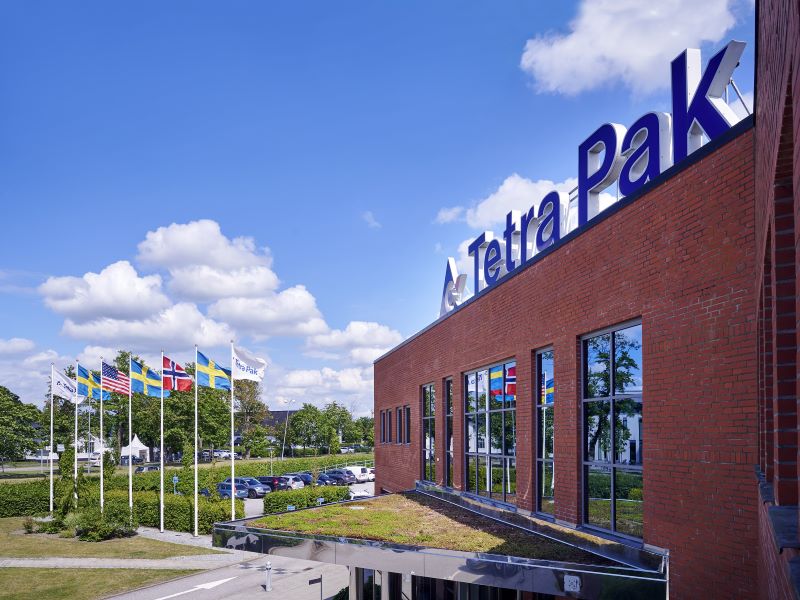
The paper‑based barrier pilot plant is being developed in Lund in the Skåne province of Sweden.
The location was chosen for its close links to ongoing research and materials development, its collaboration with Lund University and proximity to advanced testing facilities at the MAX IV Laboratory.
The site also houses the Tetra Recart® Food Development Centre, equipped with pre-processing systems, filling and sealing machinery, and retort units.
Tetra Pak paper-based barrier pilot plant details
The proposed pilot facility will enable Tetra Pak to bring paper-based barrier concepts to market more quickly by trialling emerging materials, optimising production methods and collaborating with customers to exchange learnings in a single location.
The site will also give customers useful visibility of the new solution at every stage of production, from forming protective barrier layers through to manufacturing the packaging substrate and producing filled packs.
The paper-based barrier concept was originally developed at Tetra Pak’s research and development centre in Modena, Italy, in collaboration with teams based in Sweden. It is designed for cartons used for packing liquid dairy, plant-based beverages and juice products supplied for ambient distribution.
Tetra Pak paper-based barrier solution details and benefits
Tetra Pak’s barrier material comprises a paper-based protective layer with an ultra-thin, nanometre-scale metallised coating. In combination with other packaging layers, it protects products against oxygen, light, moisture and bacteria, delivering food safety and shelf-life performance comparable to an aluminium foil layer.
The paper-based packaging material is compatible with existing high-speed lines through upgrades to high-frequency induction heat-sealing systems. The paper used in this barrier is sourced from Forest Stewardship Council-certified forests and other controlled sources.
The solution increases the proportion of paper in beverage cartons to around 80%. When used together with polymers derived from plant-based sources, it can lift the traceable renewable content of a carton to as much as 92%, with an associated carbon footprint reduction of up to 43%.
The sustainable packaging solution also reduces the packaging material composition from three to two principal components, including paper and polymers, which is expected to support recycling systems. It can help improve the recovery of paper from used cartons and enable the production of higher-quality fibre and non-fibre fractions.
Tetra Pak paper-based barrier solution implementations
Tetra Pak’s aseptic beverage carton incorporating a paper-based barrier was first introduced in 2023 in partnership with Portuguese dairy producer Lactogal.
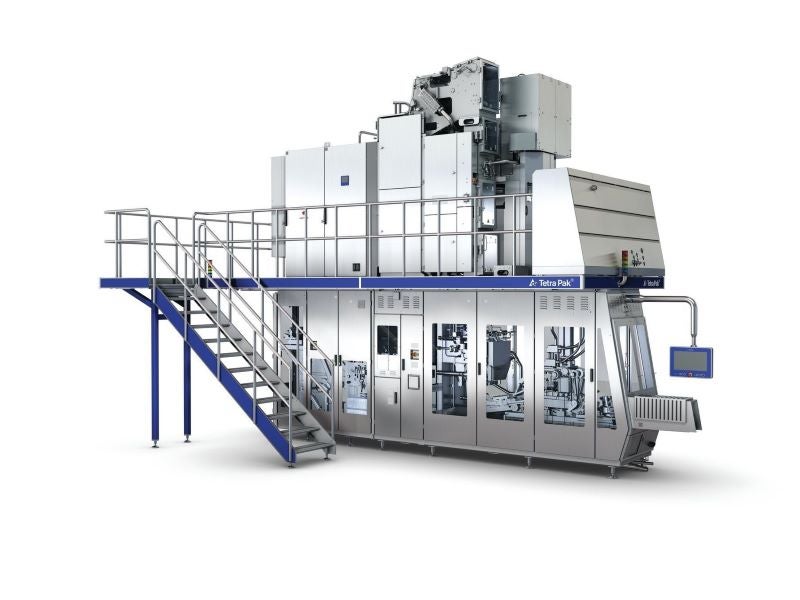
The carton was introduced following an upgrade of the Tetra Pak® A3/Compact Flex system and replacement of induction heating with an ultrasonic sealing unit. The package received Carbon Neutral certification from the Carbon Trust.
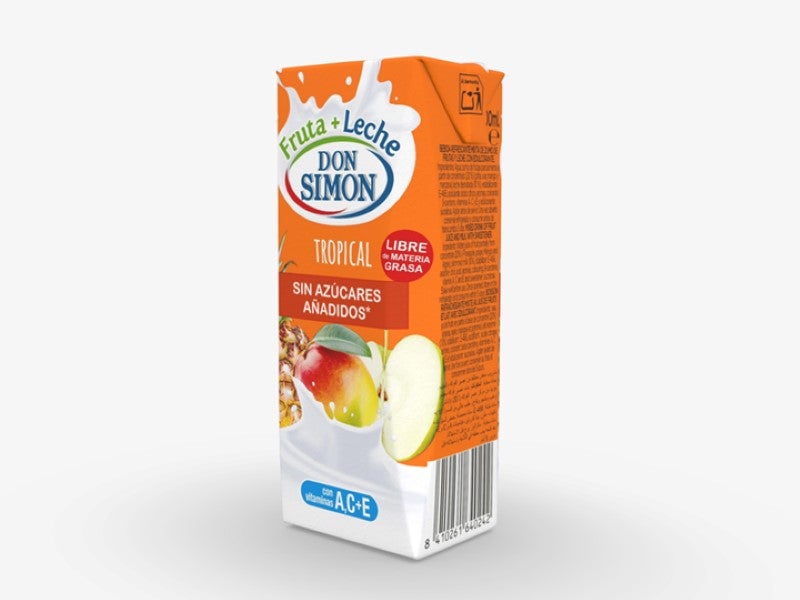
Tetra Pak subsequently introduced the first paper-based barrier carton for juice, the Tetra Brik® Aseptic 200ml Slim Leaf, with Spanish beverage producer García Carrión in December 2025.
In February 2026, Maeil Dairies adopted the Tetra Brik® Aseptic 200 Slim carton for its Maeil Soy Milk 99.9 soya beverage product in South Korea. The company implemented the solution on a Tetra Pak® A3/Speed aseptic filling machine retrofitted with a high-frequency induction heat-sealing system without incurring major capital expenditure. The solution reportedly reached 87% renewable content and delivered a 26% reduction in the pack’s carbon footprint.
