
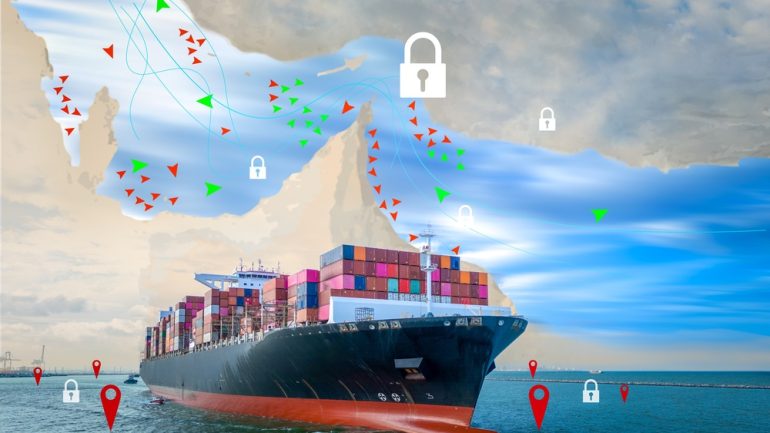
The Strait of Hormuz crisis is putting direct pressure on packaging supply because the packaging industry relies on the same energy and chemical flows that move through the Gulf. The strait is one of the world’s most important shipping routes for oil.
In 2024, oil flows through Hormuz averaged about 20 million barrels a day, equal to roughly 20% of global petroleum liquids consumption. A large share of those flows went to Asian markets, which are also major buyers of plastics, chemicals and packaged goods inputs.
Go deeper with GlobalData


Discover B2B Marketing That Performs
Combine business intelligence and editorial excellence to reach engaged professionals across 36 leading media platforms.
That matters for packaging because many core materials are tied to oil, gas and petrochemicals. Plastic packaging starts with feedstocks such as naphtha and other oil-linked inputs. Glass and aluminium packaging depend on energy-intensive production.
When Hormuz traffic is disrupted, the effect reaches well beyond fuel markets. Reuters has reported that the current chokehold has driven oil prices sharply higher and disrupted tanker traffic, while trade coverage shows that shortages are already affecting PET, glass and other packaging materials used in consumer goods.
For B2B buyers, the lesson is simple: this is not only an energy story. It is a packaging supply chain story. Rising resin prices, longer lead times and higher freight costs can all follow when a major chokepoint tightens.
Reuters reported in late March that the conflict had choked petrochemical supply and sent key plastics prices higher, while a second Reuters report found that beauty companies were already paying more for plastic jars, lipstick tubes and transport.
Why Hormuz matters to packaging supply
The first link is raw materials. Plastic packaging is closely tied to petrochemicals, and petrochemicals are closely tied to oil and gas markets.
When a major route such as Hormuz is restricted, producers and converters face tighter feedstock supply and higher input costs. Reuters reported on 26 March that the war had pushed up prices for key plastics and polymers and that global chemical companies had started passing those costs on to customers.
The second link is manufacturing cost. Packaging is not made from raw materials alone. Glass furnaces and metal production use large amounts of energy, so an oil shock can raise production costs across several packaging formats at once.
The wider market impact is already visible. The Washington Post reported that the conflict was affecting not only oil but also aluminium and petrochemical feedstocks, while the International Energy Agency’s chief warned through Reuters that Middle East supply disruptions were beginning to feed into inflation and economic pressure beyond the energy sector.
The third link is geography. Asian markets are especially exposed because they receive most of the crude and condensate moving through Hormuz. If those flows are disrupted, downstream industries in Asia can face sharper cost pressure and tighter availability.
That matters for packaging buyers everywhere because Asia plays a central role in plastics conversion, chemicals processing and the manufacture of consumer goods.
How the crisis is disrupting packaging operations
The clearest effect is on price. Higher crude prices lift the cost of petrochemical feedstocks, which in turn raises resin prices. Those increases move into films, bottles, tubs, caps and closures. T
rade and mainstream coverage now show the same pattern: packaging materials are becoming more expensive because the conflict has tightened supply and lifted transport costs.
Reuters said on 1 April that the war was driving up raw material, packaging and logistics costs in the beauty industry, while Economic Times reported that the conflict had caused a crunch in plastic and glass supply for packaged goods companies.
The next effect is on availability. When a shipping corridor is partly closed or tightly controlled, lead times become less reliable. Reuters reported on 4 April that Iran had allowed vessels carrying essential goods to reach its ports only under specific protocols, showing that commercial movement through the strait remains constrained rather than normal.
In practice, that means buyers may face delayed deliveries, uneven container availability and a need to reroute cargo.
Freight is the third pressure point. A packaging supply disruption is rarely caused by material shortages alone. Fuel surcharges, fewer available vessels and longer routes all push total landed cost higher. Reuters’ reporting from the cosmetics supply chain shows firms responding by rerouting shipments and, in some cases, using more expensive transport options.
That response protects continuity, but it also makes packaging more expensive for converters, fillers and brand owners.
What packaging businesses should watch next
For packaging buyers, the most important indicator is not just the oil price. It is the combined effect of oil, polymers, freight and lead time.
If all four move at once, packaging supply becomes harder to secure even when factories are still running. Reuters’ reporting on petrochemicals and packaging suggests this combined effect is already under way, with higher plastics prices and transport disruption feeding through to everyday packaging formats.
Procurement teams should also watch material exposure by format. Flexible plastic packaging and rigid plastics are most directly exposed to petrochemical costs, while glass and aluminium can be hit through energy and transport.
The exact mix will differ by product category, but the principle is consistent: the more energy-intensive or oil-linked the pack, the more sensitive it is to a Hormuz disruption. Coverage of current shortages in PET, glass and related materials supports that wider view of risk.
The longer-term lesson is evergreen. Packaging supply chains work best when they are efficient, but they become fragile when too much supply, feedstock or shipping capacity depends on a single corridor.
The Strait of Hormuz crisis has exposed that weakness in real time. Businesses that understand their resin exposure, diversify suppliers, review freight assumptions and build realistic stock strategies will be better placed not only for this disruption, but for the next one as well.
That is why the Strait of Hormuz crisis matters to packaging supply far beyond the current news cycle.



