
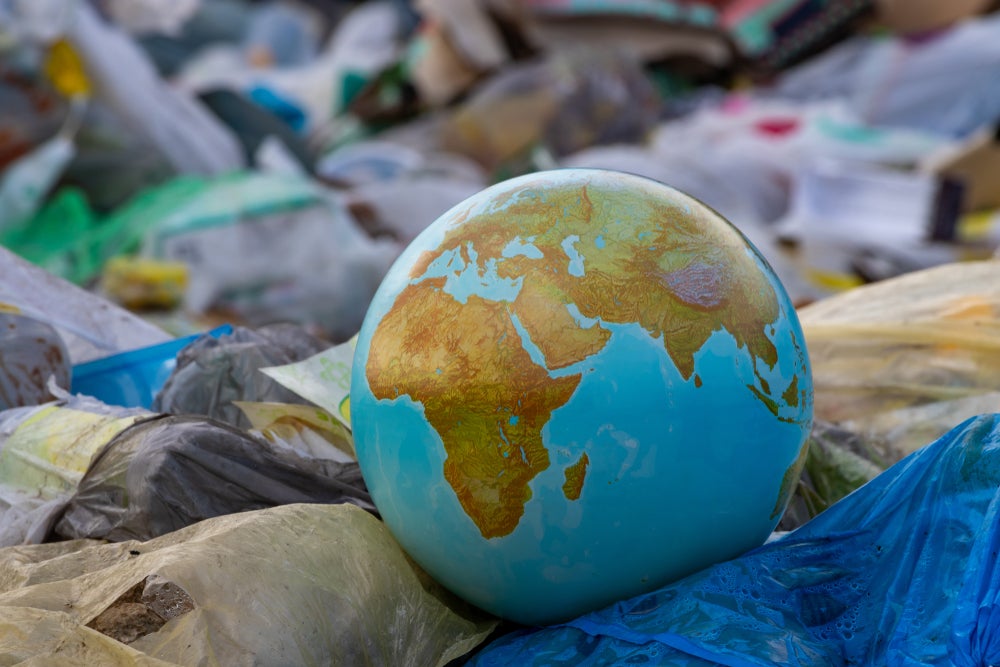
This week saw international delegates and world leaders debate a Global Plastics Treaty text that has not set out legally binding targets and timeframes on plastic production and reduction.
Held in Kenya, the talks have reportedly seen little mention of binding instruments to reduce the human health impact of plastic – a measure called for by global scientists.
Go deeper with GlobalData


Discover B2B Marketing That Performs
Combine business intelligence and editorial excellence to reach engaged professionals across 36 leading media platforms.
Earlier this week, 20 scientists co-signed an open letter to the international community to coincide with the start of the Intergovernmental Negotiating Committee (INC-3) talks in Nairobi.
Led by the Plastic Health Council, the letter defines the key elements of the ‘Health Scientists’ Global Plastic Treaty’ that scientists believe need to be included to address the science known of the impact of plastic chemicals and particles on health.
Plastic chemicals found in packaging are associated with endocrine disruption, fertility, heart disease and cancer. The letter argues that the current UN published ‘Zero Draft’ “falls short” and is not “strong enough to protect the health of future generations”.
The scientists agree that an impactful treaty should “reduce the production volumes of plastics”, “eradicate all but verifiably essential single-use plastic items”, “mandate proper testing of all chemicals in plastics” and “prohibit ‘the chimera of chemical recycling’ of plastic”.
They wrote: “The Global Plastics Treaty is a once-in-a-century opportunity to protect human health from toxic polluting plastic and world leaders cannot afford to leave their populations vulnerable to the toxic effects of plastic.”
Plastic Health Council and A Plastic Planet co-founder Sian Sutherland commented: “Our message to the delegates is simple. Will you create a UN Plastics Treaty that protects the future profits of the fossil fuel industry or will you create a Treaty that protects the future health of your people?”



