
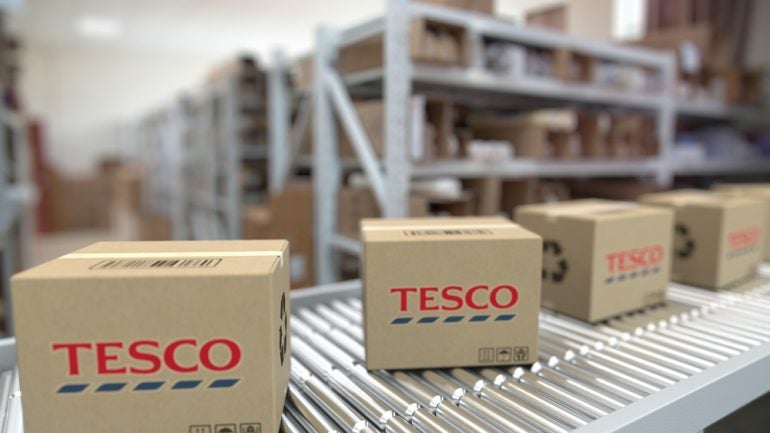
Tesco has raised packaging standards for suppliers as it moves deeper into its long-term drive to make own-brand packaging widely recyclable across the UK.
The updated 2026 Preferred Materials List sets out clearer rules on which packaging materials are encouraged, restricted or being phased out. The changes are aimed at simplifying recycling for customers and increasing the use of materials that can be processed through existing UK recycling systems.
Go deeper with GlobalData


Discover B2B Marketing That Performs
Combine business intelligence and editorial excellence to reach engaged professionals across 36 leading media platforms.
The update marks a further step in Tesco’s wider packaging strategy, which focuses on removing unnecessary packaging, reducing material use, increasing reuse where possible, and improving recyclability across its product range.
Stronger focus on recyclable materials
The revised guidance places greater emphasis on packaging that can be easily collected and recycled at scale in the UK. Fibre-based packaging, widely recyclable plastics, glass and metal formats are prioritised under the updated approach.
At the same time, harder-to-recycle materials are being progressively discouraged, particularly where they rely on complex material combinations that make sorting and reprocessing more difficult.
Tesco says the intention is to make recycling more consistent for customers and reduce confusion about what can and cannot be recycled at home or through local collection systems. The company’s approach continues to align packaging choices with the availability of recycling infrastructure in the UK.
Supplier requirements become more detailed
The updated materials list increases expectations for packaging suppliers working across Tesco’s own-brand ranges. Packaging design is now expected to align more closely with recyclability standards from the earliest stages of development.
This includes a stronger preference for simpler, single-material packaging formats that are easier to recycle, as well as reduced use of composite structures where separation is difficult.
Tesco’s packaging strategy highlights ongoing collaboration with suppliers to redesign packaging where needed, with the aim of improving recyclability without compromising product safety or quality.
Further information on Tesco’s packaging approach is set out in its sustainability materials guidance, which outlines its long-term focus on circular packaging systems.
Recycling push moves into next phase
The latest update signals that Tesco’s packaging programme is moving from broad commitments towards more detailed material-level requirements across its supply chain.
While some packaging changes will continue to depend on product category and technical constraints, the direction of travel is towards fewer non-recyclable formats and greater standardisation of materials used in everyday grocery packaging.
Tesco’s wider packaging policy states that it aims to make all own-brand packaging recyclable or reusable over time, supporting a transition towards a more circular packaging system across its UK operations.


