

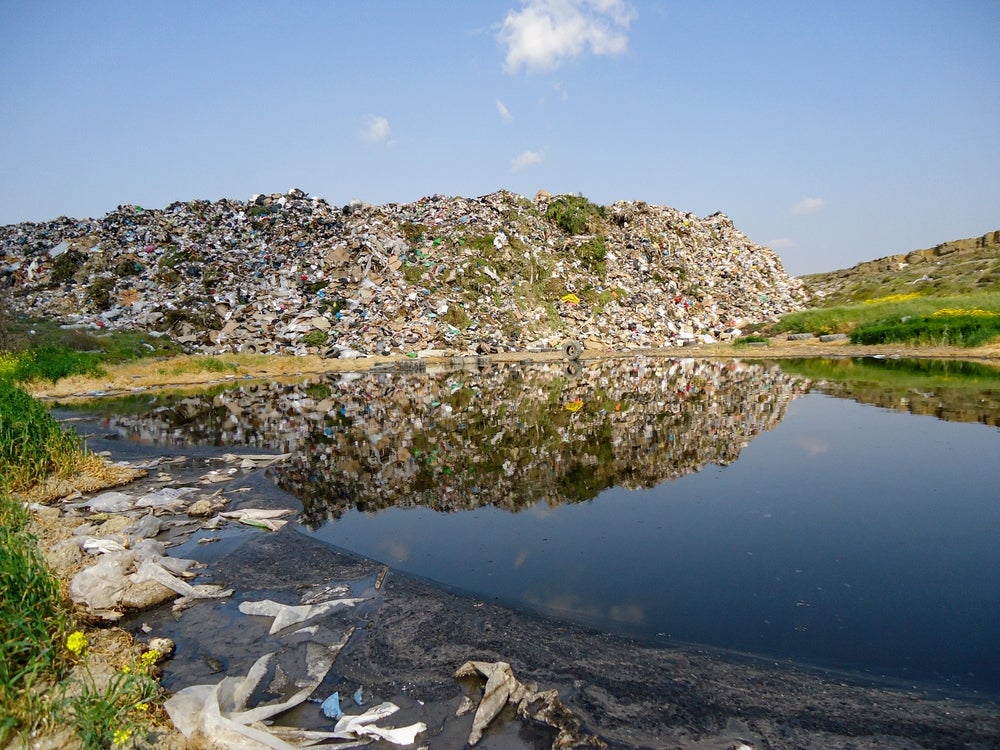
Across England, hundreds of illegal waste sites are quietly reshaping the country’s waste landscape. Investigators have identified 517 illegal dumps, including at least 11 sites holding more than 20,000 tonnes of waste.
Some rival legitimate landfills in scale: a 280,000-tonne site in Cheshire, 50,000-tonne sites in Lancashire and Cornwall, and a 36,000-tonne tip in Kent.
For the packaging sector, these figures are not an environmental footnote. They expose structural weaknesses in how packaging waste is collected, tracked, traded, and ultimately recovered—with direct implications for compliance, cost, and credibility.
A risk that sits inside the packaging value chain
For packaging producers, converters, brand owners, and recyclers, illegal dumping is not a distant policy issue. It sits at the uncomfortable intersection of waste management, regulatory compliance, margin pressure, and system transparency.
Understanding how packaging waste ends up in illegal dumps is now central to managing regulatory risk and protecting long-term brand value.
Where packaging waste leaks out of the system
Illegal dumps do not appear by accident. They emerge where waste systems are complex, fragmented, and under strain.
Packaging waste is particularly vulnerable because it passes through multiple hands—producers, compliance schemes, waste brokers, transporters, and processors. Each transfer introduces cost, paperwork, and opportunity for misdirection.
Low-value packaging materials, contaminated recyclables, and mixed streams are especially exposed. When recycling markets soften or treatment capacity tightens, these materials become harder to place legitimately.
Unscrupulous operators exploit the gap, offering cheaper disposal routes that bypass permitted facilities. Packaging waste that is officially “collected for recycling” can quietly exit the regulated system and resurface in illegal sites.
This is not uniquely an English problem. Similar patterns appear wherever extended supply chains meet uneven enforcement. What makes England notable is the scale: hundreds of illegal dumps point to systemic leakage, not isolated criminality.
For packaging businesses, that leakage undermines circularity claims and weakens confidence in reported recycling rates.
Why illegal dumping matters to packaging producers
The consequences for the packaging industry are immediate and material. Regulators are increasingly clear that responsibility does not end at the factory gate or point of sale.
Under extended producer responsibility (EPR) frameworks, producers are expected to account for the full lifecycle of packaging waste, including final treatment.
When packaging waste is discovered in illegal dumps, scrutiny follows. Was it correctly classified? Were licensed carriers used? Were downstream operators properly audited? Even when paperwork is in order, association with illegal dumping can trigger investigations, penalties, and reputational damage.
There is also a commercial impact. Illegal dumping distorts the true cost of packaging waste management. Operators who evade compliance undercut legitimate recyclers, squeeze margins, and discourage investment in compliant infrastructure.
Over time, this erodes recycling capacity and drives up costs for businesses that play by the rules—creating a vicious circle of rising volumes, fewer compliant outlets, and greater temptation to cut corners.
What the crisis reveals about packaging circularity
Illegal dumps holding tens of thousands of tonnes of waste challenge one of the sector’s most repeated assumptions: that collected packaging reliably flows into recycling or recovery.
In reality, circularity depends on traceability, enforcement, and viable end markets. When any of these falter, waste accumulates outside the system.
The scale of England’s illegal dumps suggests traceability remains uneven. Paper trails often stop at the point of transfer rather than final treatment.
For global packaging companies operating across borders, this raises uncomfortable questions about how well waste flows are monitored in practice—not just in reporting frameworks.
What needs to change
Enforcement alone will not solve the problem. The packaging industry has a role to play in designing materials that are easier to sort, recycle, and finance responsibly.
Clearer specifications, reduced material complexity, and closer alignment between packaging design and real-world recycling capacity can reduce rejection and diversion risks.
At the same time, greater scrutiny of waste contractors and downstream partners is becoming a business necessity rather than a box-ticking exercise. Transparency, auditing, and data sharing are fast becoming core tools for managing packaging waste risk.
England’s illegal dumps expose more than a waste crime problem. They reveal where the packaging system itself is under pressure—and where the sector will need to adapt if circularity commitments are to withstand real-world conditions.