

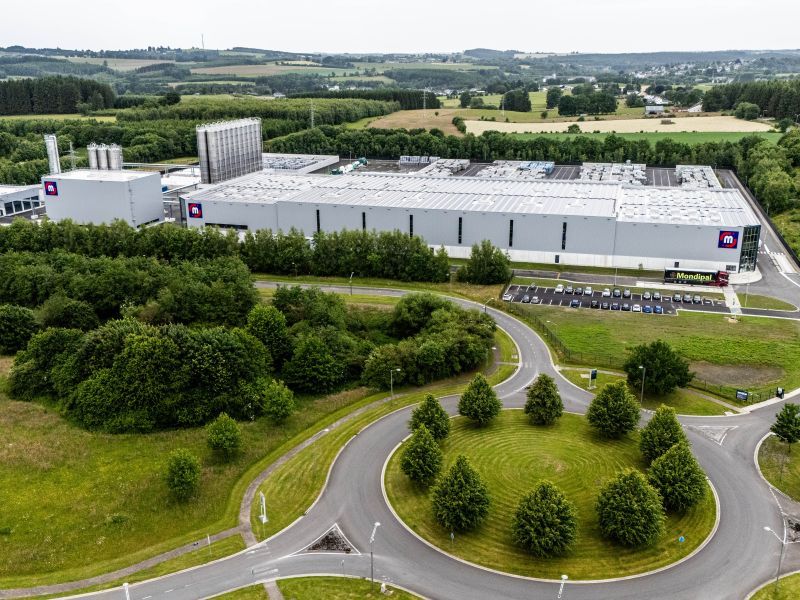
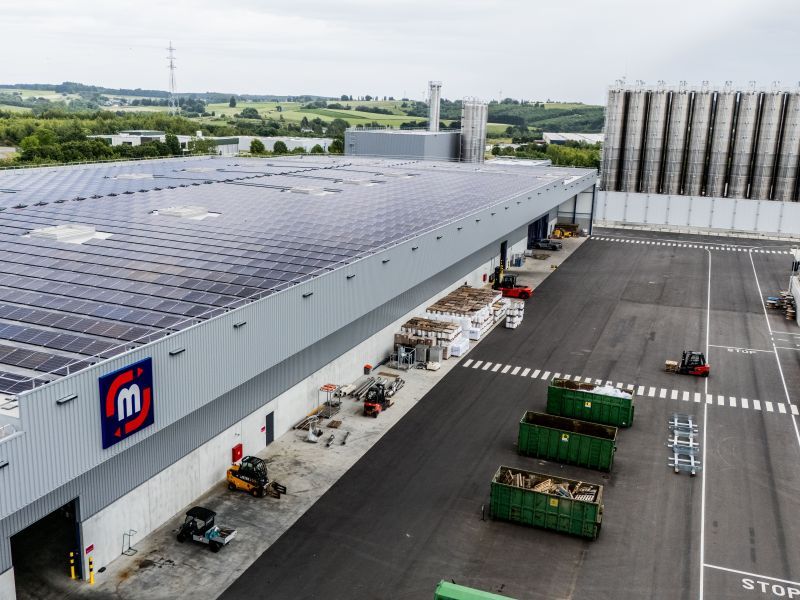
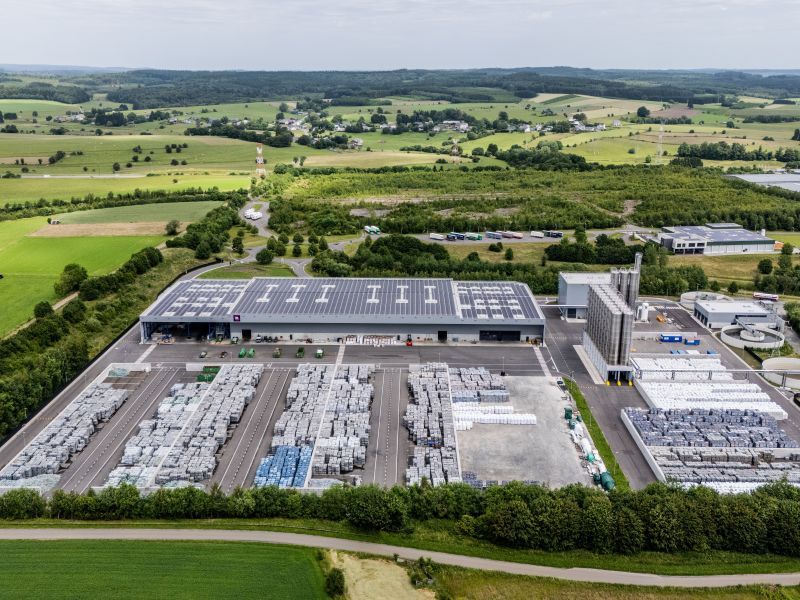
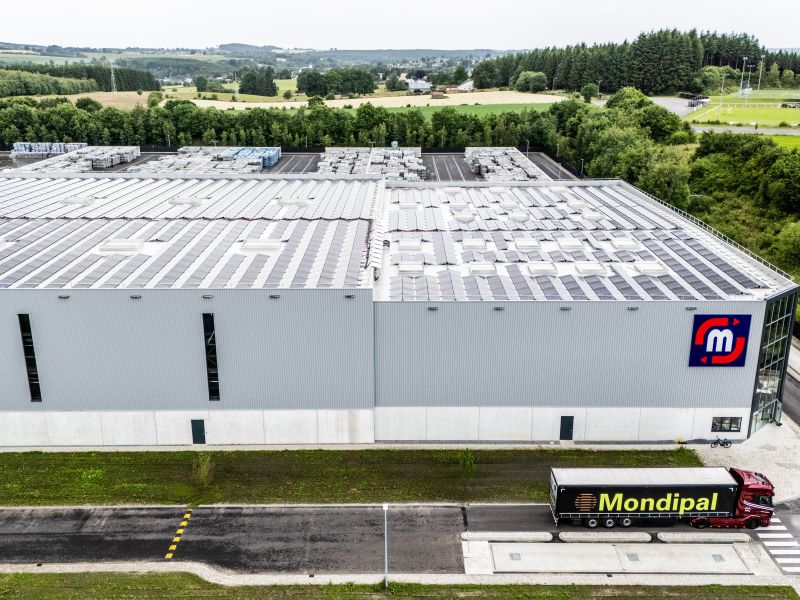
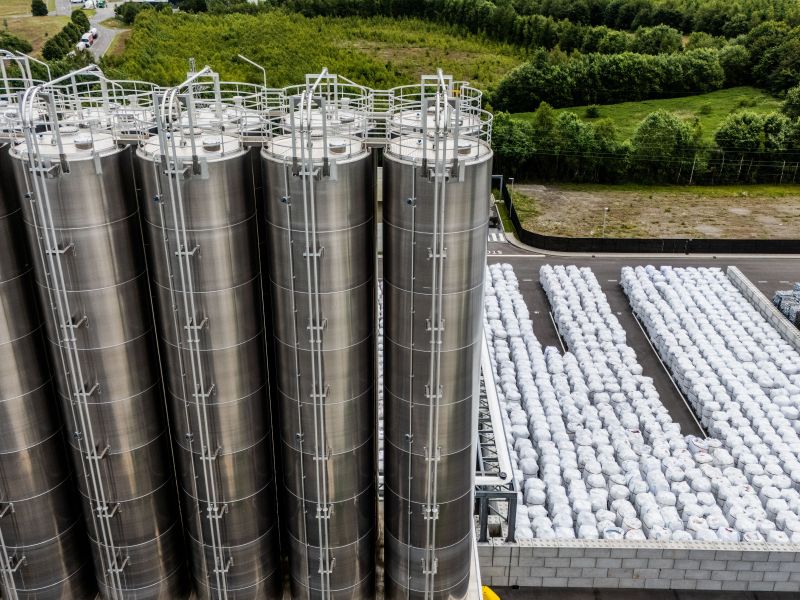
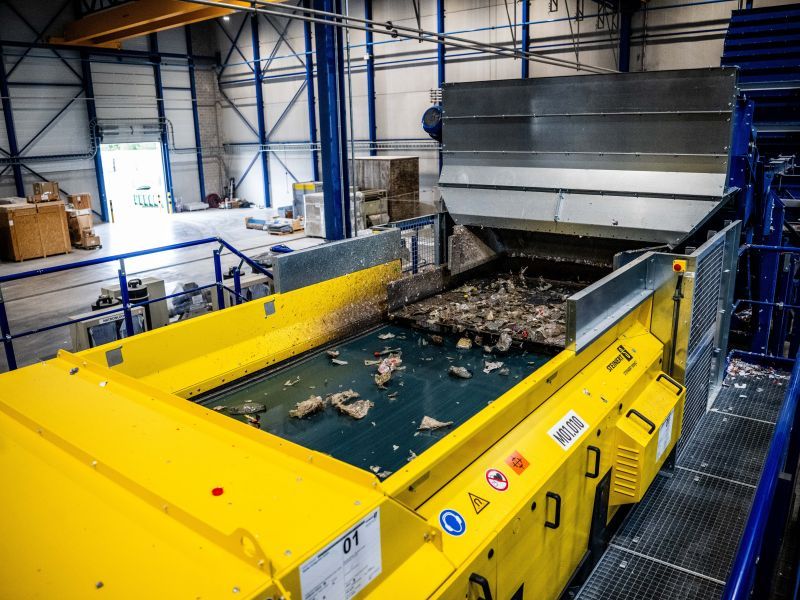
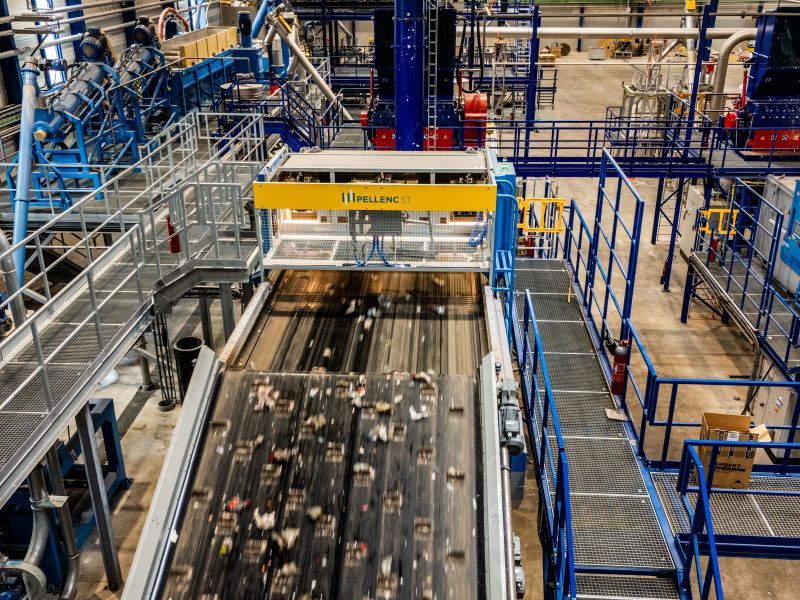
MOPET Belgium is an advanced polyethylene terephthalate (PET) packaging recycling centre located in Neufchateau, Belgium.
The facility was developed by Morssinkhof – Rymoplast, a recycled raw materials manufacturer, following a nine-year contract awarded by Fost Plus, a recycling solutions provider.
Recommended Buyers Guides

IDELUX, an economic development organisation in Belgium, supported the project through a financial grant.
The foundation stone for the first phase of the facility was laid in July 2024 and the facility began operations in July 2026.
The new facility is Morssinkhof – Rymoplast’s 11th facility in Europe and its fourth recycling plant in Belgium.
The project’s first phase created 90 full-time jobs, while the second phase, involving an investment of $48.3m (€45m), is expected to create an additional 35 jobs.
MOPET Belgium bolsters Belgium’s position as a leader in recycling and resource management. It is among six other recycling plants being developed in the country.
Location of MOPET Belgium’s PET manufacturing facility
The plant is located within the Ardenne Logistics business park of IDELUX in Neufchateau, Luxembourg province, Belgium.
MOPET Belgium PET recycling facility details
MOPET Belgium recycles PET trays into food-grade recyclate (r-PET) on a large scale, primarily for use in the production of new trays. It has a recycling capacity of 40,000 tonnes per annum (tpa) of PET and can recycle approximately 10,500tpa of trays and 17,500tpa of bottles, including opaque PET bottles.
The PET required for the facility is collected using the New Blue Bag plastic packaging collection method launched by Fost Plus throughout Belgium in 2019.
The collection method enables all plastic packaging waste, in addition to the usual plastic bottles and flasks, to be put in a plastics, metals and drinks packaging bag. This ensures that plastic packaging waste such as yoghurt pots, butter tubs, and plastic bags can be selectively collected and recycled.
PET recycling process at MOPET Belgium
The PET recycling process involves several steps, starting with the sorting of the bales to remove impurities.
The process includes post-sorting the items into different levels to optimise the quality of the secondary raw material from other materials such as high-density polyethylene (HDPE) caps, followed by grinding into flakes, cold washing, hot washing and drying on separate processing lines.
Finally, they are reconverted into raw material or granules to produce new packaging through a regranulation and post-condensation process.
With a focus on sustainability, the facility purifies the water used in the recycling process through state-of-the-art technology, thus protecting the natural beauty of the Luxembourg province.
The partners are planning to subject the PET, whose quality no longer meets the requirements, to a semi-chemical recycling process named CuRe Technology.
The CuRe technology is primarily used to produce transparent recycled PET out of complex and coloured packaging. This ensures that all collected PET packaging is used in high-end applications.
Marketing commentary on Morssinkhof – Rymoplast
Founded in 1960, Morssinkhof – Rymoplast is one of Europe’s largest producers of high-quality recovered raw materials and serves small companies in the plastics processing industry to the world’s largest multinationals. It has 13 locations across Europe, each specialising in specific activities.
Morssinkhof – Rymoplast’s primary focus is on recycling four main types of plastic: HDPE, low-density polyethylene, PET and polypropylene.
Each year, it produces 500,000t of secondary raw materials from post-consumer and post-industrial plastics.
The company purchases well-sorted post-consumer plastic waste and scrap streams from collection systems and clean industrial waste from the plastics processing industry. These materials are converted into high-quality raw materials, serving a diverse international customer base, from small plastics processing companies to the largest multinationals.
As a plastics recycling partner, the company collaborates with other organisations to optimise their plastics cycles. By supplying high-quality recycled raw materials, the company enables manufacturers to develop more sustainable packaging solutions for plastic products.
